
'80s Roulette: EATING RAOUL
One of the silliest cult comedies of the '80s feels like the ultimate '70s hangover.
I have (almost) every single movie released in theaters in the ‘80s in the United States on a hard drive, and once a week, I’m going to hit shuffle and review whatever film comes up first.
Welcome to ‘80s Roulette!
MARCH 26, 1982
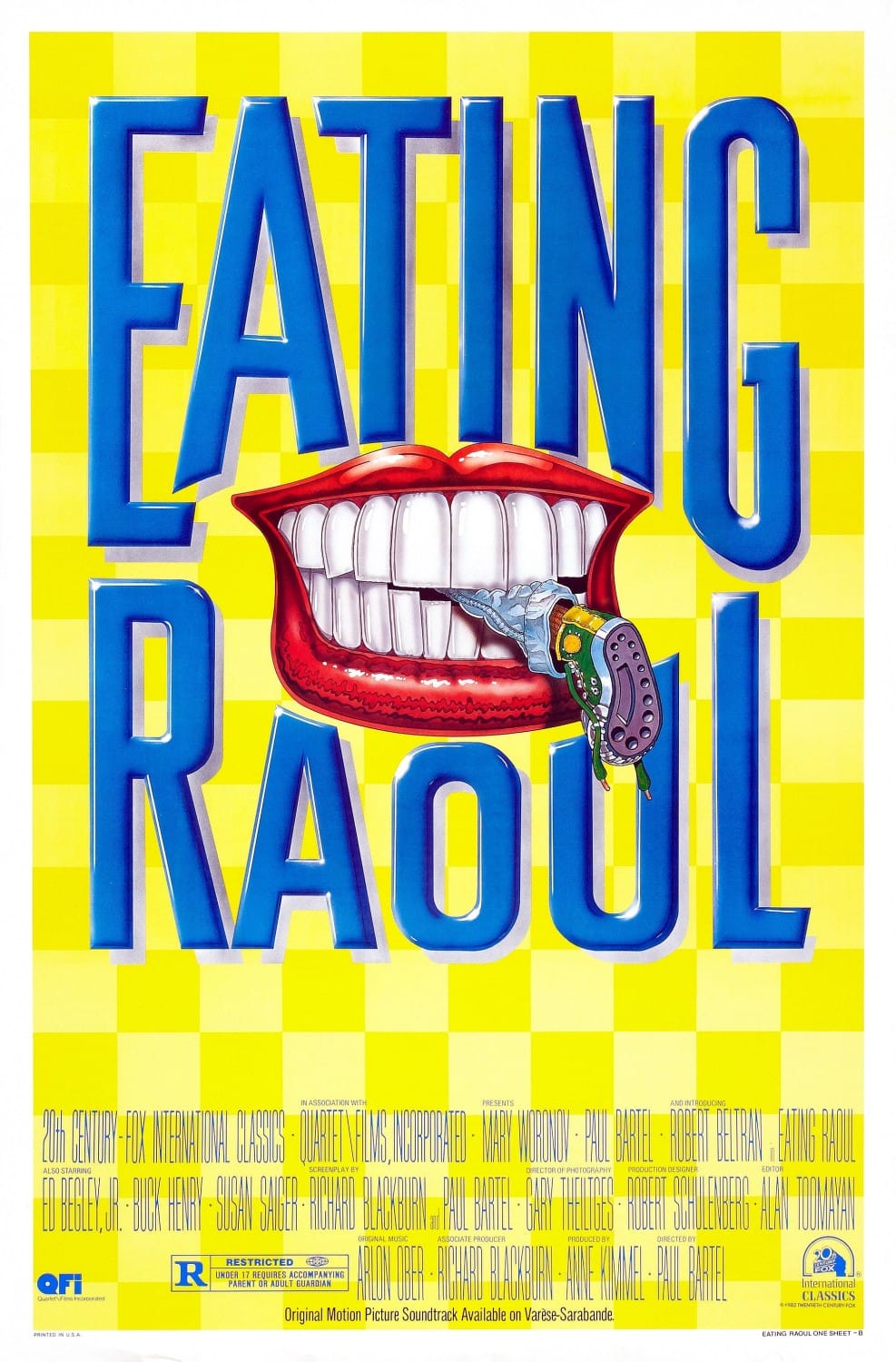
Eating Raoul
Paul Bartel, Mary Woronov, Robert Beltran, Susan Saiger, Lynn Hobart, Richard Paul, Mark Woods, John Shearin, Darcy Pulliam, Ben Haller, Roberta Spero, Vernon Demetrius, Arlene Harris, Buster Wilson, Marta Fergusson, Garry Goodrow, Richard Blackburn, Hamilton Camp, Pamela Carter, Buck Henry, Anna Mathias, Hanns Manship, Beans Morocco, Allan Rich, Ed Begley Jr., Billy Curtis, Ralph Brannen, John Paragon, Don Steele, Rick Wain, Edie McClurg, Robert V. Barron, Wendy Bartel, Joe Dante, Charles B. Griffith, John Landis, Lynn Lowry
cinematography by Gary Thieltges
music by Arlon Ober
screenplay by Paul Bartel and Richard Blackburn
produced by Anne Kimmel
directed by Paul Bartel
Rated R
1 hr 30 mins
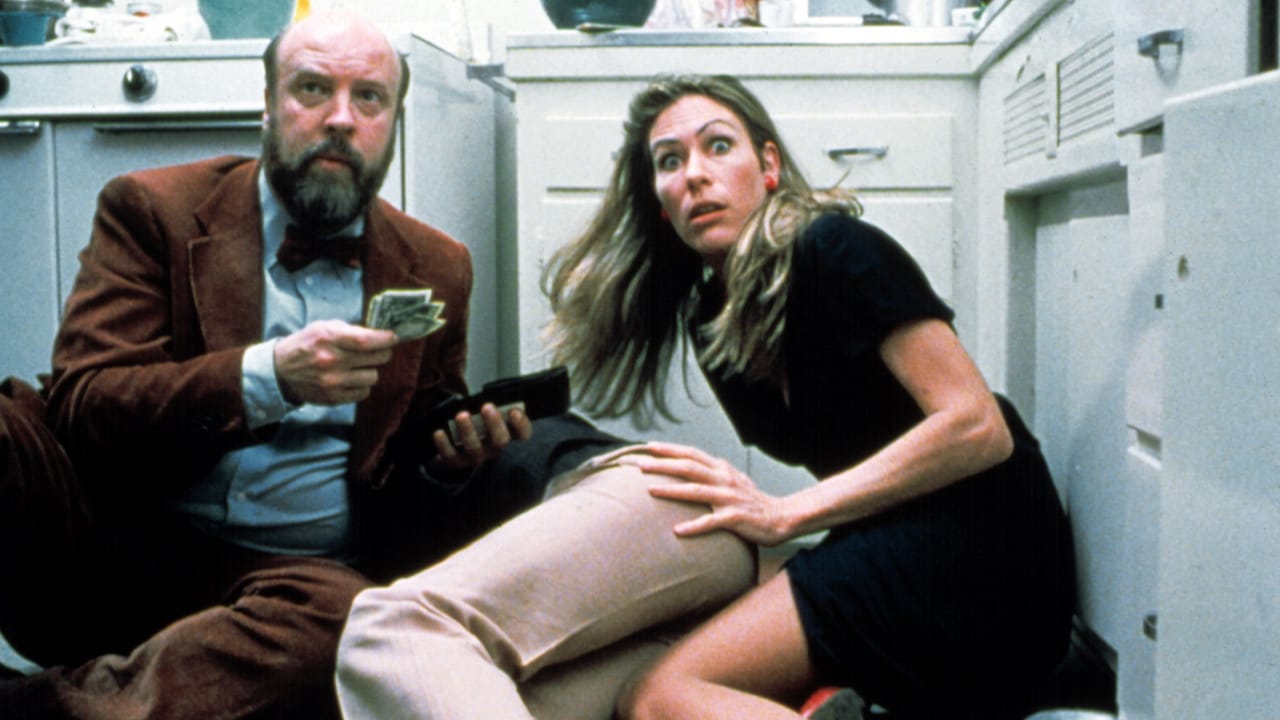
A Los Angeles couple, disgusted by several encounters they have with swingers, come up with a plan to kill and rob them so they can open their own restaurant.
Paul Bartel worked in the fringes of film for years before he co-wrote and directed his charming 1982 black comedy Eating Raoul. He made a horror comedy in 1972 called Private Parts for MGM, and his producer on that film was Roger Corman’s brother, Gene. While the film was not a hit, Gene had a good experience and told Roger he should work with Bartel. He shot some second-unit stuff for Big Bad Mama before Corman agreed to let him direct his first New World film, Death Race 2000. If you’ve never seen that film, part of what makes it great is the way it can’t help but make fun of itself. There is a very silly sense of humor to that film that makes it palatable, and even the most outrageous moments feel kind of cheerful. I don’t think his follow-up, Cannonball, is as good, but he proved that he could make movies for a budget and give them just enough style to distinguish them from the rest of the drive-in fare.