2025 in 50 Films - Part Four
We continue counting down the year's best films with a Stephen King adaptation, a truly grown-up comedy, and a tribute to the French New Wave, among others.
Well, that was weird, right?
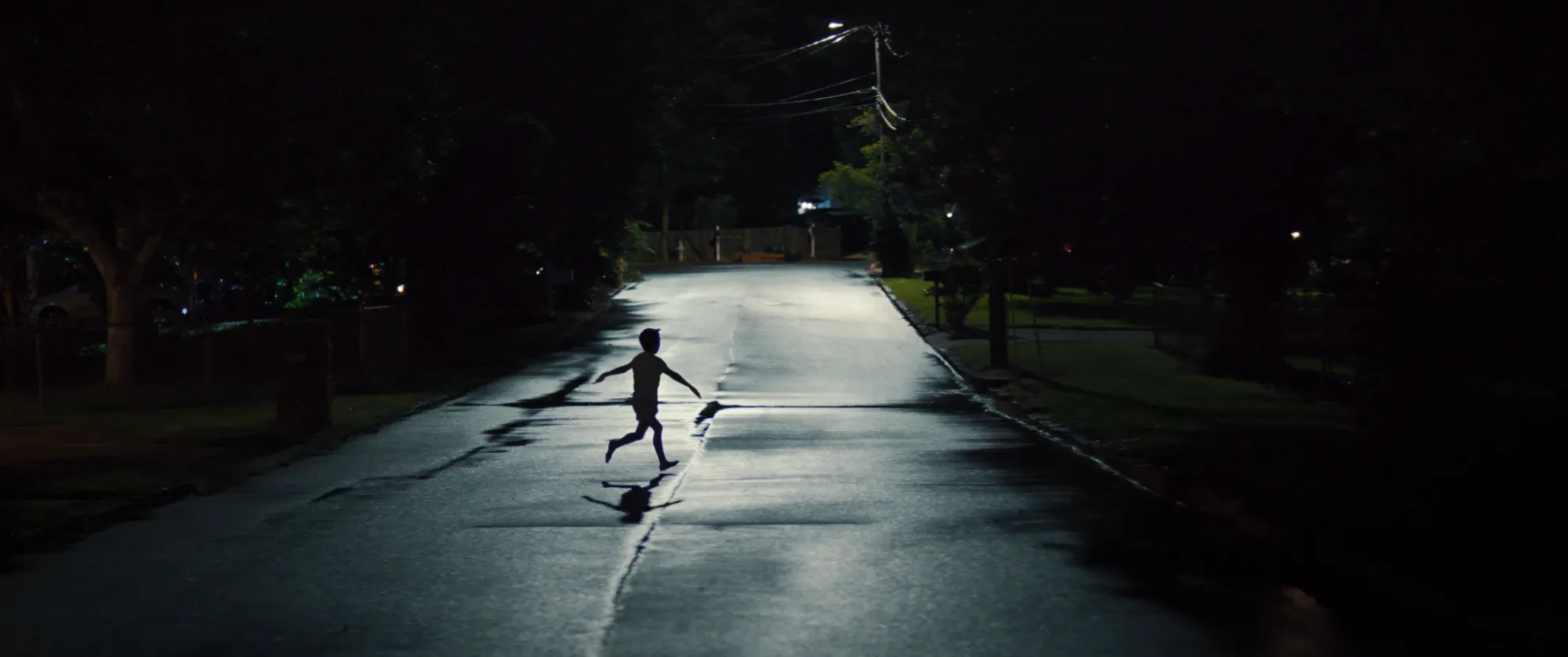
If you're a subscriber, then last week, you got a copy of this newsletter sent to you by mistake that was basically just the photo at the top and a bunch of placeholder text. That's because it somehow got scheduled to publish even though I hadn't written any of the text for it yet.
Embarrassing, sure, but I guess I'm still learning my way around Stripe. Even though I technically started publishing things here in October, it's really only in the last month that I started digging in and learning what I'm doing. I used Substack for something like six years. You get used to doing things a certain way as a publisher, and now I'm starting over, basically. Ghost is, in many ways, simpler, but that means I spend a fair amount of time trying to figure out how to do something that should be intuitive. I mean, until this weekend, I was doing something fundamentally wrong every time I published The Last '80s Newsletter (You'll Ever Need) and it was only because of your feedback that I finally figured it out.
None of that matters to you, of course. You want me to finish up this series so I can dig into whatever we're doing for 2026, and I'm doing my best to get us there. At the same time, I'm off and running and watching new films for 2026 already, and I'm excited about the film year we've got ahead of us.
Why do we look back at a year of movies and try to make sense of them as some kind of larger grouping? So much of it is random chance. Things do or don’t get into a particular festival or they fit a certain release window for a studio or they feel like they fit into someone’s plans for the year. It's only in hindsight that it's
I’ve greatly enjoyed writing about the film year this way, and I hope you guys are enjoying it as well. Giving myself fifty films feels like I’m able to really dig into a range of different titles and genres and spotlight all kinds of experiences that made my film year better.
I’ve said this before, but I approach each year as a kind of a floating film festival where I am constantly programming for myself and my family. Movies are like the Mood Organ in Do Androids Dream of Electric Sheep? for me. I use movies throughout the day or throughout the week as a way of reacting to the world around me. When I want an emotional release, I program for it. When I need a laugh, I program for it. Any feeling I want to feel, any place I want to visit, any vibe I want to summon, there's a movie for it. It's why I've spent my life soaking up media. I love that these movies are all bouncing around inside me now, all of it part of one big ongoing cascade of characters and stories and style. And now, as I put 2025 to bed, I'm writing this to try to share a snapshot of what it is that I'll be carrying with me. The rankings are just a way of establishing the difference in volume in terms of how loud they'll be when I think about this particular grouping of films.
Let's start with a very small film that I hope is the start of a major career...
- Sorry, Baby
Eva Victor’s debut feature is a tiny marvel. I’ve watched it several times now, and each time, I like something new about it. Victor stars as Agnes, a literature professor at a small liberal arts school in New England. They wrote and directed the film as well, yet this is the opposite of a vanity project. There is this very real fragility to their work, and the film unfolds as a sort of slow-motion flashback to explain that fragility. The films plays some sneaky games with narrative structure, but it uses that structure to great emotional effect. I think as much as this movie makes a strong case for Eva Victor as a performer, it is even more impressive as a piece of writing/directing.
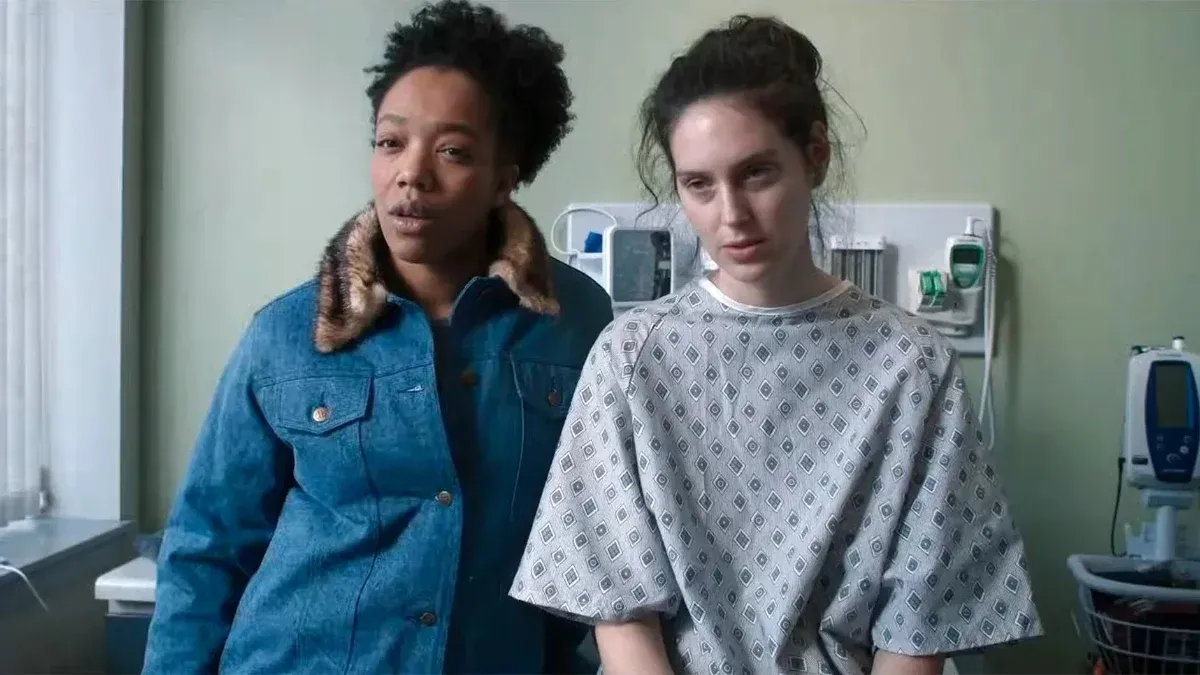
As the film opens, Agnes is visited by her old roommate and best friend Lydie, played by Naomi Ackie, who was also great in Mickey 17 this year. Lydie is pregnant, and she and her wife Fran (E.R. Fightmaster) are building a real adult life together, something that seems a million miles from the way Agnes is living. In flashback, we see Agnes and Lydie living together in the house that Agnes is still in, both of them working on their doctorates, both of them part of a study group run by Preston Decker, one of their professors. Louis Cancelmi plays Decker, but much of what we learn about him is learned through the impact he makes on Agnes and the rest of the study group. Decker sexually assaults Agnes and before she can seek any kind of justice through the school, he resigns and moves on to another job. Agnes isn’t sure what to do with the trauma, and the film explores the way these things ripple out over time. There are wonderful supporting turns from familiar faces like Lucas Hedges and John Carroll Lynch, but for the most part, this is Victor’s show. They are playing an emotionally numb character who also somehow communicates the full depth of this experience they’re going through, and it’s the kind of performance that gets more impressive the more you rewatch it. It all builds to a devastatingly beautiful final scene once the film comes back to the present and Agnes finds herself alone with Lydie and Fran’s new baby. I feel like the film speaks in haiku but somehow grows as you think about it afterward. It is beautifully crafted, like a perfect first novel. While it doesn’t feel like a film that is plot-forward, every scene is perfectly placed, and every moment adds to our emotional understanding of what Agnes is feeling. As a result, when we get to that final scene, it is such a small, intimate moment, just a few lines of dialogue delivered to someone who can neither understand them nor respond, but it feels like a massive catharsis, an acknowledgement of just how beautiful and awful and contradictory life can be.